
Understanding Facial Nerve Injuries in Children
Facial movement plays an important role in how children communicate, express emotion, eat, speak, and interact with the world around them.
When the facial nerve becomes damaged or inflamed, children may experience weakness or paralysis affecting one side of the face.
While facial nerve injuries can appear alarming to families, many causes are treatable with early evaluation and appropriate pediatric ENT care.
At MPENTA, our pediatric ear, nose, and throat specialists evaluate children experiencing facial weakness, facial paralysis, and other conditions affecting the facial nerve.
Because the facial nerve travels through delicate structures in the ear, head, and neck, a variety of pediatric ENT conditions may contribute to facial nerve problems.
What Is the Facial Nerve?
The facial nerve, also called the 7th cranial nerve, begins in the brain and travels through the ear before branching throughout the face and neck.
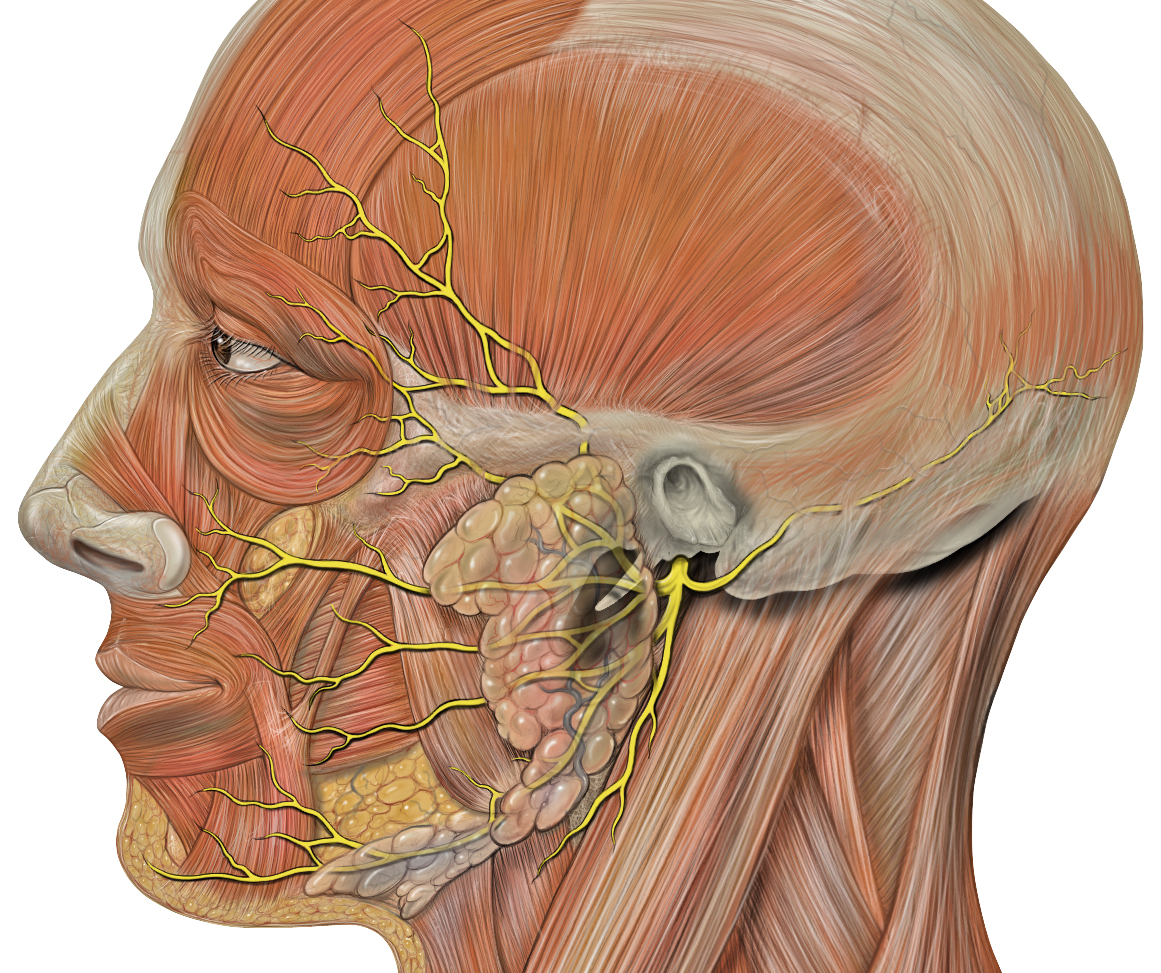
This nerve controls many important functions, including:
- Facial movement and expression
- Smiling and blinking
- Lip movement and speech
- Taste sensation in part of the tongue
- Saliva production
- Portions of sensation around the ear
Because the nerve passes through narrow spaces within the ear and surrounding structures, swelling, infection, trauma, or pressure along its pathway can interfere with normal nerve function.
What Are Facial Nerve Injuries?
Facial nerve injuries occur when the nerve becomes compressed, inflamed, stretched, or damaged.
The severity can range from mild temporary weakness to more significant facial paralysis.
Children with facial nerve injuries may experience:
- Facial drooping
- Weakness on one side of the face
- Difficulty smiling or moving facial muscles
- Trouble fully closing one eye
- Dryness or irritation of the eye
- Slurred speech
- Difficulty eating or drinking
- Changes in taste sensation
- Ear discomfort or hearing changes
In some cases, symptoms may develop suddenly, while in others they may appear gradually over time.
Common Causes of Facial Nerve Injuries in Children
There are several conditions that may affect the facial nerve in pediatric patients.
Bell’s Palsy
One of the most common causes of sudden facial paralysis is Bell’s Palsy, a condition often associated with viral inflammation affecting the facial nerve. Children with Bell’s Palsy may suddenly develop weakness or drooping on one side of the face.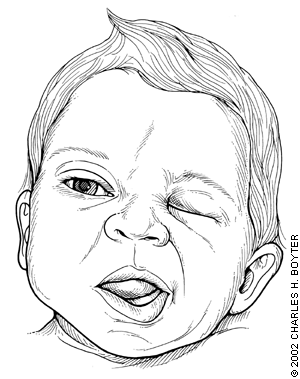
Ear Infections and Chronic Ear Disease
Because the facial nerve travels through the ear, severe middle ear infections or chronic ear disease may sometimes affect normal nerve function. Conditions such as cholesteatoma may place pressure on the nerve and require specialized treatment.
Trauma or Injury
Falls, sports injuries, facial trauma, or head injuries may damage the facial nerve directly or cause swelling that affects facial movement.
Congenital Conditions
Some children are born with congenital abnormalities affecting the facial nerve or surrounding structures.
Tumors or Growths
Although less common, tumors or abnormal growths near the ear or facial structures may place pressure on the facial nerve.
Surgical Complications
In rare cases, facial nerve weakness may occur following surgery involving the ear, parotid gland, or head and neck structures.
How Are Facial Nerve Injuries Evaluated?
Evaluation begins with a detailed medical history and physical examination. Pediatric ENT specialists assess:
- Facial movement and symmetry
- Eye closure
- Speech and swallowing function
- Hearing changes
- Associated ear or sinus symptoms
Additional testing may include:
- Hearing evaluations
- CT scans
- MRI imaging
- Electromyography (EMG)
- Nerve excitability testing
These studies help determine the location and severity of the nerve injury and guide treatment recommendations.
Treatment for Facial Nerve Injuries
Treatment depends on the cause and severity of the condition.
Non-Surgical Treatment
Many children improve with conservative management, which may include:
- Observation and monitoring
- Medications to reduce inflammation
- Treatment of infections
- Eye protection and lubrication
- Supportive therapies
Surgical Treatment
In more severe cases, surgery may be recommended to:
- Relieve pressure on the nerve
- Repair injured nerves
- Remove tumors or cholesteatoma
- Treat chronic ear disease
- Reconstruct damaged facial structures
Prompt evaluation is important because prolonged nerve damage may lead to more permanent weakness if left untreated.
When Should Parents Seek Pediatric ENT Care?
Parents should seek medical evaluation if a child develops:
- Sudden facial drooping or weakness
- Difficulty closing one eye
- Facial weakness following trauma
- Persistent ear infections with facial weakness
- Changes in speech, eating, or swallowing
- Hearing changes or balance concerns
- Symptoms that worsen over time
While some facial nerve conditions may improve on their own, others require timely diagnosis and treatment to help preserve nerve function and facial movement.
Pediatric Facial Nerve Care at MPENTA
At MPENTA, our pediatric ENT specialists provide comprehensive evaluation and treatment for children experiencing facial nerve injuries, facial paralysis, and related ear and head and neck conditions.
Our goal is to identify the underlying cause, protect long-term nerve function, and help children return to comfortable facial movement and daily activities.
