
Pediatric Septoplasty Surgery:
Deviated Septum Treatment
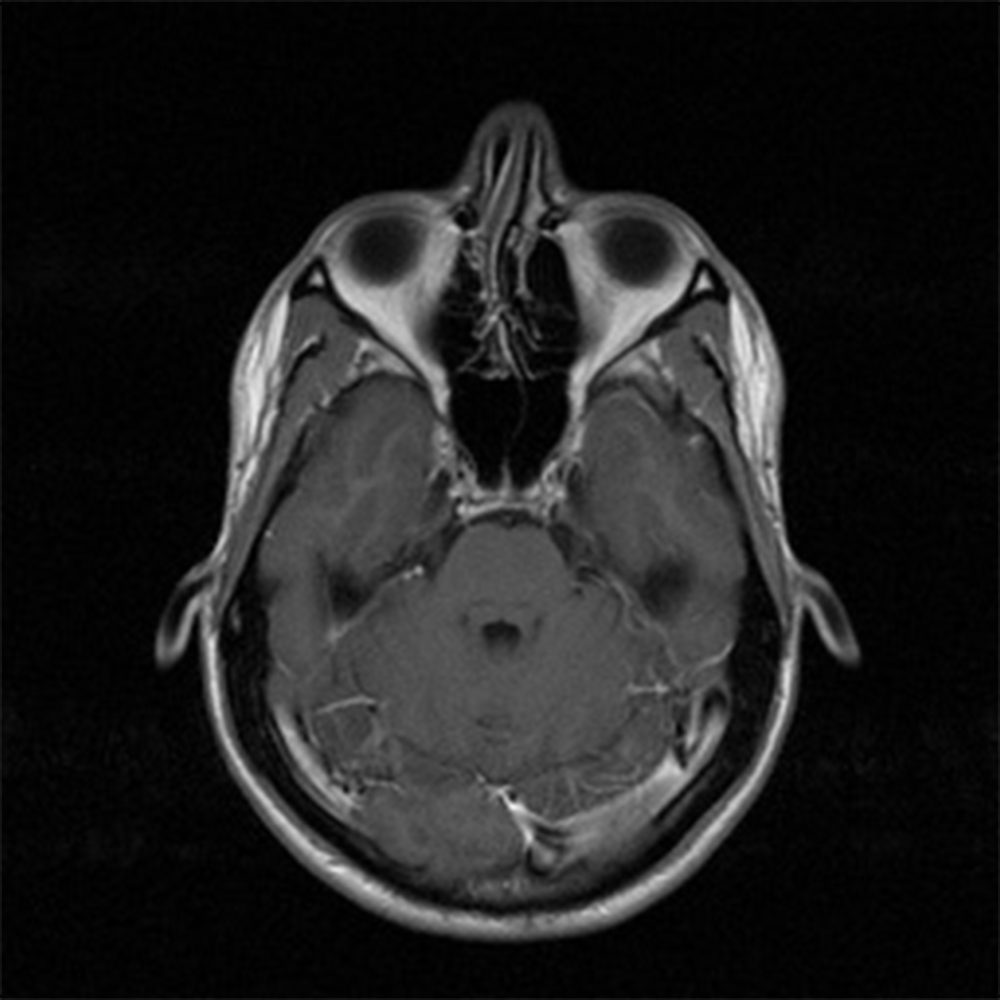
Many parents first notice a problem when their child constantly breathes through their mouth, snores at night, or complains that one side of their nose always feels blocked. Teens may notice it when sports feel harder, sleep is disrupted, or breathing through the nose simply never feels clear.
In many cases, these symptoms are caused by a deviated septum, a condition where the wall dividing the nasal passages is crooked or shifted to one side. Pediatric septoplasty surgery is the procedure used to correct this issue and restore normal airflow through the nose.
At MPENTA, pediatric ear, nose, and throat specialists provide expert care for children and adolescents experiencing breathing problems related to nasal structure.
For families across Michigan, deviated septum surgery for children can significantly improve breathing, sleep, and overall quality of life.
What Is a Septoplasty?
Septoplasty is a surgical procedure that corrects the nasal septum, the wall of cartilage and bone that separates the left and right sides of the nose.
When the septum is straight, air flows evenly through both nasal passages. But when the septum is crooked or deviated, it can partially block one side of the nose. This makes breathing through the nose difficult and can create symptoms such as congestion, mouth breathing, or frequent sinus infections.
A deviated septum can feel similar to trying to blow air through a bent straw, airflow becomes restricted and uneven.
The goal of the septoplasty procedure is to straighten the septum and restore normal airflow. It is considered a functional surgery, meaning it is performed to improve breathing rather than to change the appearance of the nose.
Septoplasty does not alter how the nose looks externally. However, for patients who have both breathing problems and concerns about the external shape of the nose, a combined procedure called septorhinoplasty may be recommended.

What Causes a Deviated Septum in Children?

A deviated septum can develop for several reasons, and understanding the cause can help parents better understand their child’s condition.
In children, the most common cause is injury or trauma to the nose or face. Falls, sports injuries, or other accidents can shift the septum out of its normal position.
As children grow into adolescence and adulthood, the septum can also gradually shift as the nose develops. In fact, most adults do not have a perfectly straight septum, though many never experience symptoms.
Some children are born with a deviated septum. This is known as a congenital deviation and may occur during development or birth.
It is important to note that not every deviated septum requires treatment. Many people have mild deviations that do not affect breathing.
Doctors typically recommend surgery only when the deviation significantly obstructs airflow or causes persistent symptoms.
When Is Septoplasty Recommended — and When Is It Not?
One of the most common questions parents ask is whether their child is old enough for nasal septum surgery.
Septoplasty is recommended when a deviated septum significantly interferes with breathing and affects a child’s daily life. Children with severe obstruction may struggle with sleep, sports, or concentration at school due to chronic breathing difficulty.
However, septoplasty is generally not performed in younger children who are still actively growing. The nasal septum plays an important role in facial growth, acting as one of the growth centers of the nose. Performing surgery too early could potentially affect normal nasal development.
For this reason, surgeons typically recommend waiting until nasal growth is mostly complete. At MPENTA, this generally means at least once an adolescent is in puberty.
In certain situations where breathing obstruction is severe, a limited and carefully performed septoplasty for kids may be considered at an earlier age. In these cases, the surgeon takes a conservative approach designed to preserve nasal growth.
Symptoms that may indicate the need for deviated septum surgery for children include:
- Chronic mouth breathing
- Persistent nasal blockage on one or both sides
- Frequent nosebleeds
- Recurring sinus infections
- Poor sleep or snoring
- Difficulty breathing during physical activity
If these symptoms are affecting your child’s quality of life, an evaluation by a pediatric ENT specialist can help determine whether surgery is appropriate.
Septoplasty vs. Rhinoplasty vs. Septorhinoplasty
Many parents and teenagers are unsure about the difference between septoplasty and other nasal surgeries. Understanding the distinction helps clarify what each procedure is designed to accomplish.
Septoplasty corrects the internal nasal septum to improve airflow and breathing. It focuses entirely on function and does not change the external shape of the nose.
Rhinoplasty, on the other hand, is a cosmetic procedure that reshapes the outside of the nose. It may address concerns such as bumps, asymmetry, or overall nasal proportions.
Septorhinoplasty combines both procedures. It straightens the internal septum while also reshaping the external structure of the nose. This may be recommended when the nose is both structurally deviated and visibly crooked.
Septorhinoplasty is highly individualized. Patients and their parents meet with the surgeon to discuss goals, expectations, and the desired cosmetic outcome. The procedure uses hidden incisions and typically takes approximately two and a half to three hours. Recovery generally takes two to three weeks, although mild swelling may last longer.
What to Expect: The Septoplasty Procedure
Understanding how the surgery works can help both parents and teens feel more comfortable about the process.
Septoplasty is performed under general anesthesia, meaning the patient is completely asleep and feels no pain during the procedure.
The surgeon begins by making a small incision inside the nose. Because the incision is internal, there are no visible scars.
Next, the tissue lining the septum is carefully lifted away from the underlying cartilage and bone. This allows the surgeon to access the areas causing the obstruction.
Crooked or abnormal portions of cartilage and bone are then either removed or repositioned to straighten the septum.
Once the septum is corrected, the lining is placed back into position. Small internal splints are inserted to support the septum while it heals and to prevent blood from collecting beneath the tissue.
The septoplasty procedure typically takes about one and a half hours to complete.
Most patients go home the same day, as this is usually an outpatient surgery and does not require an overnight hospital stay.
Recovery After Septoplasty
Recovery from septoplasty is usually straightforward, though some temporary symptoms may occur as the nose heals.
Internal splints placed during surgery are removed a few days later at a follow-up appointment. This visit allows the surgeon to check early healing and ensure the septum remains in the correct position.

During the first week, patients may experience:
- Nasal congestion
- Mild swelling
- Light discharge or drainage
These symptoms gradually improve as healing progresses.
Most children and teenagers are able to return to school or light activities within one to two weeks. However, strenuous exercise, heavy lifting, and contact sports should be avoided for a longer period to protect the nose as it recovers. Your surgeon will provide detailed guidance based on your child’s situation.
Although some improvement in breathing may be noticeable soon after surgery, full results often take several weeks as internal swelling decreases.
For patients undergoing septorhinoplasty, recovery is longer, typically about two to three weeks before returning to normal activities, with some residual swelling lasting several months.
Benefits and Considerations of Septoplasty
Like any surgical procedure, septoplasty offers clear benefits but also requires careful consideration.
Benefits of Septoplasty include:
- Improved nasal breathing and airflow
- Better sleep quality
- Reduced mouth breathing
- Fewer sinus infections and nasal congestion episodes
- Outpatient surgery with no overnight hospital stay
- No visible scarring because incisions are inside the nose
- High success rates in relieving symptoms

However, there are also some considerations to keep in mind.
Septoplasty is usually not appropriate for younger children who have not completed nasal growth. It also does not change the external shape of the nose unless it is combined with rhinoplasty.
The procedure requires general anesthesia, which is standard for most nasal surgeries.
Although complications are rare, possible risks include bleeding, infection, septal perforation (a small hole in the septum), or very minor changes to the external shape of the nose.
Septorhinoplasty, which combines breathing correction with cosmetic changes, involves more complex planning and a longer recovery period.
Why Choose MPENTA for Your Child's Septoplasty?
Choosing the right surgical team is an important step when considering nasal surgery for your child.
MPENTA’s physicians are pediatric ENT specialists who focus on diagnosing and treating ear, nose, and throat conditions in children and adolescents. Their experience allows them to approach nasal surgery with careful attention to both function and long-term facial development.
The team has extensive expertise in performing septoplasty for kids as well as more complex procedures such as septorhinoplasty when both breathing and cosmetic concerns need to be addressed.
MPENTA’s approach prioritizes patient and family communication, helping parents and teens understand the condition, the available treatment options, and what to expect during recovery.
With multiple locations in Michigan, families have convenient access to specialized care close to home.
Ready to Talk About Septoplasty for Your Child?
Breathing problems can affect many parts of a child’s life, from sleep and sports performance to focus at school and overall confidence.
If your child struggles with persistent nasal blockage or symptoms of a deviated septum, the specialists at MPENTA can help determine whether pediatric septoplasty surgery is the right option.
Our team will carefully evaluate your child’s condition, answer your questions, and guide your family through every step of the process.
If you are looking for expert care for deviated septum surgery in Michigan or want to speak with a septoplasty specialist for kids, contact MPENTA today to request an appointment or find a location near you.
Disclaimer
The information provided on this page is for educational and informational purposes only and is not intended as medical advice. It should not be used to diagnose or treat any medical condition. Always consult a qualified healthcare provider or ENT specialist regarding any questions you may have about a medical condition, symptoms, or treatment options. Decisions about surgery should be made in consultation with your healthcare team based on your specific health needs.
