
Pediatric Tracheotomy Surgery in Michigan
When a child has difficulty breathing due to a medical condition affecting the airway, families are often faced with complex decisions about treatment.
For many parents, hearing that their child may need a tracheotomy can feel overwhelming. It is a procedure typically recommended only when other breathing options are not sufficient or safe.
Pediatric tracheotomy surgery is a specialized procedure that creates a new breathing pathway directly through the windpipe.
While the idea may sound intimidating at first, this surgery can provide life-saving airway support and allow children to breathe safely while other medical issues are treated or managed.
At MPENTA, our pediatric ENT specialists have extensive experience performing tracheotomy procedures for children.
We work closely with families, hospital specialists, and therapists to ensure that every child receives safe surgical care and ongoing support throughout recovery.
What Is a Tracheotomy?
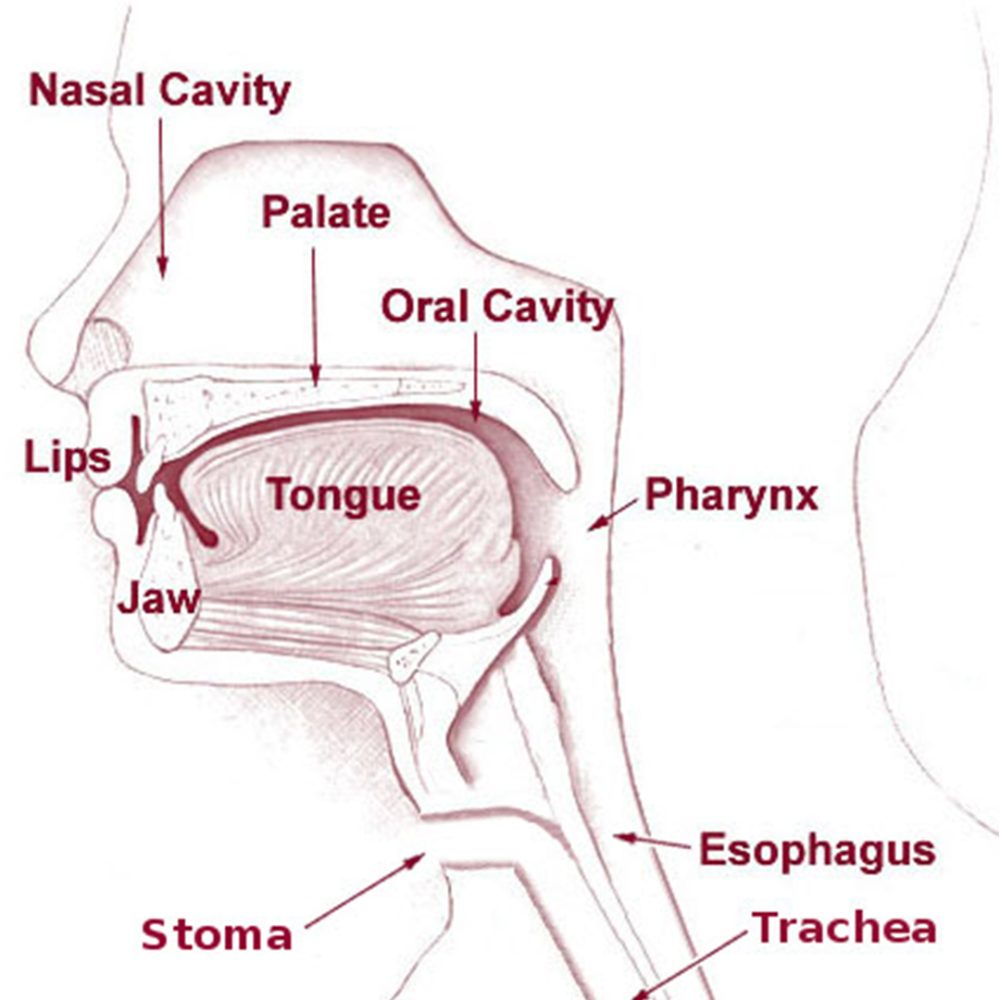
The trachea, commonly called the windpipe, is the main airway that carries air from the throat to the lungs.
A tracheotomy is a surgical procedure that creates a small opening in the front of the neck directly into the trachea. This opening allows doctors to insert a tracheotomy tube, which keeps the airway open and allows air to move safely in and out of the lungs.
The tube acts as an alternative breathing pathway when the normal airway cannot function properly.

Tracheotomy vs tracheostomy: What’s the Difference?
Parents will sometimes encounter both the terms tracheotomy and tracheostomy when researching this procedure.
A tracheotomy refers specifically to the surgical creation of the opening, while tracheostomy typically refers to the long-term presence of the breathing tube and airway opening.
The terms are often used interchangeably when discussing tracheostomy surgery for kids.
It is also important to understand that a tracheotomy is different from a cricothyroidotomy. A cricothyroidotomy is an emergency airway procedure sometimes performed in adults outside of a hospital setting. Because a child’s airway is much smaller and harder to locate, this emergency procedure is strongly discouraged in children.
Instead, pediatric tracheotomy surgery is carefully performed by specialists under controlled conditions in a hospital operating room.
Why Might a Child Need a Tracheotomy?
There are several situations where a tracheotomy procedure for children may be recommended.
In most cases, this procedure is considered when other breathing methods are not safe or cannot be maintained for long periods of time.
One of the most common reasons for the surgery is to bypass an airway obstruction. Some children have narrowing or structural problems in the airway that prevent air from flowing normally through the nose and throat.
Conditions affecting the voice box or trachea can also block the airway. A tracheotomy allows air to bypass these areas and reach the lungs safely.
Another reason is to support long-term breathing. Children with certain neuromuscular or lung conditions may not have the muscle strength needed to breathe effectively on their own. A tracheotomy tube allows breathing support equipment to connect directly to the airway, helping the child breathe more comfortably.
In some cases, the tracheotomy is temporary and is used to protect the airway during reconstructive surgery. Certain procedures involving the throat or airway can temporarily interfere with breathing, and a tracheotomy provides a safe alternative airway while healing occurs.
Often, the procedure is recommended when an endotracheal breathing tube, the type placed through the mouth during emergencies or surgery, either cannot remain in place safely or would need to stay in for a long period of time.
Pediatric Tracheotomy: Why Children Need a Specialist
Because a child’s airway is much smaller and more delicate than an adult’s, performing pediatric airway surgery requires specialized expertise.
In fact, the pediatric airway can be roughly the size of a drinking straw. This means surgical precision is essential when creating the opening and placing the tracheotomy tube.
For this reason, pediatric tracheotomy surgery is always performed under general anesthesia in a hospital setting by experienced pediatric ENT specialists.
During the procedure, doctors often use tools such as a bronchoscope or an endotracheal tube to precisely identify the trachea and ensure safe placement. The child is positioned carefully to make the airway easier to access and to reduce surgical risk.
Once the opening in the trachea is created, the tracheotomy tube is inserted and secured. Stitches are typically placed on either side of the incision so the airway opening can be easily identified during future tube changes.
Before the procedure is complete, the surgical team confirms that air moves freely through the tube and into the lungs.
In many cases, a chest X-ray is taken afterward to verify correct tube placement.
After Surgery: What to Expect
The period following surgery is focused on helping the child recover and ensuring caregivers feel confident managing the tracheotomy tube.
The first tracheotomy tube change usually takes place three to four days after surgery. This is typically done in the hospital by medical staff to ensure everything is healing properly.
Before a child goes home, parents and caregivers receive thorough training on tracheotomy tube care. This education is an essential part of the recovery process and helps families feel prepared to manage the airway safely at home.
Training often includes:
- How to clean and care for the tracheotomy site
- How to suction the airway when needed
- How to change the tube safely
- What signs of infection or complications to watch for
Home health nursing services are commonly arranged after discharge to support families as they adjust to the new routine.
Our ENT specialists remain closely involved during this time, providing follow-up appointments and ongoing guidance.
In many cases, a speech and language pathologist also becomes part of the care team. These specialists help support swallowing, speech development, and communication while the tube is in place.
How long the tracheotomy tube remains in place varies depending on the child’s condition. For some children it may be temporary and last only a few months, while those with more complex medical needs may require longer-term airway support.
Tracheotomy Tube Removal (Decannulation)
Naturally, many parents want to know when the tracheotomy tube can be removed.
The process of removing the tube is called decannulation. This step is carefully planned and always performed in a hospital setting where doctors can monitor the child’s breathing.
Before decannulation, the airway is thoroughly evaluated. Specialists often perform procedures called microlaryngoscopy and bronchoscopy, which allow them to examine the airway and ensure it is strong and open enough for normal breathing.
Depending on the child’s situation, several approaches may be used.
In some cases, the tube can simply be removed and the opening allowed to close naturally as it heals.
Other children may go through a gradual process where the tube is temporarily plugged or replaced with a smaller tube before removal. This allows doctors to confirm the child can breathe comfortably without full support.
If airway reconstruction surgery has been performed, tube removal may occur during that procedure.
In certain situations, the opening in the neck may require a small surgical closure once the tube is removed.
Each decannulation plan is tailored to the individual child’s progress and medical needs.
Risks and Complications of Pediatric Tracheotomy
As with any surgical procedure, pediatric tracheotomy surgery carries potential risks. However, these risks are carefully managed by experienced surgeons and medical teams.
Some complications can occur during or shortly after surgery, including:
- Bleeding
- Air trapped under the skin (called subcutaneous emphysema)
- Air around the lungs (pneumothorax)
- Rarely, the esophagus or the nerve that controls the vocal cords may be injured.
Having the procedure performed by experienced pediatric specialists in a hospital setting significantly reduces the likelihood of these complications.
While the tracheotomy tube is in place, other challenges may occur.
Accidental tube dislodgement is one possibility, which is why caregiver training is so important. Parents are taught how to respond quickly and safely if this occurs.
Infections around the tracheotomy site or within the airway can also develop, but these are usually manageable with proper tracheotomy tube care and medical treatment.
Over longer periods, other issues may arise, such as irritation of the trachea from the tube, development of granulomas (small tissue growths), or narrowing of the airway above the tracheotomy site.
In rare cases, an abnormal connection between the trachea and esophagus, known as a tracheoesophageal fistula, may develop.
Regular follow-up visits with an ENT specialist help identify and treat these issues early, greatly reducing long-term risks.
Why Choose MPENTA for Pediatric Tracheotomy Care?
When a child requires pediatric airway surgery, families benefit from working with specialists who focus exclusively on children’s ENT conditions.
Our pediatric ENT physicians have extensive experience managing complex airway conditions and performing tracheostomy surgery for kids.
Care does not stop after surgery. Our team provides comprehensive support throughout the journey, including coordination with hospital teams, speech and language therapists, and home health providers.
Families also benefit from our multiple Michigan locations and access to specialized children’s hospital facilities.
This coordinated approach helps ensure children receive expert care at every stage — from diagnosis to recovery and eventual tube removal.
Talk to a Pediatric Airway Specialist at MPENTA
Learning that your child may need a tracheotomy can be a difficult and emotional experience for any family.
Clear information, experienced medical guidance, and compassionate support can make an enormous difference during this time.
MPENTA’s pediatric ENT specialists are here to help families understand their child’s condition, explore treatment options, and move forward with confidence.
If you would like to speak with a specialist about pediatric tracheotomy surgery, pediatric airway surgery in Michigan, or any concerns about your child’s breathing, contact MPENTA to request an appointment or find a location near you.
Our team is ready to guide your family through every step of care.
Disclaimer
The information provided on this page is for educational and informational purposes only and is not intended as medical advice. It should not be used to diagnose or treat any medical condition. Always consult a qualified healthcare provider or ENT specialist regarding any questions you may have about a medical condition, symptoms, or treatment options. Decisions about surgery should be made in consultation with your healthcare team based on your specific health needs.
