
Endoscopic Sinus Surgery for Children Pediatric FESS
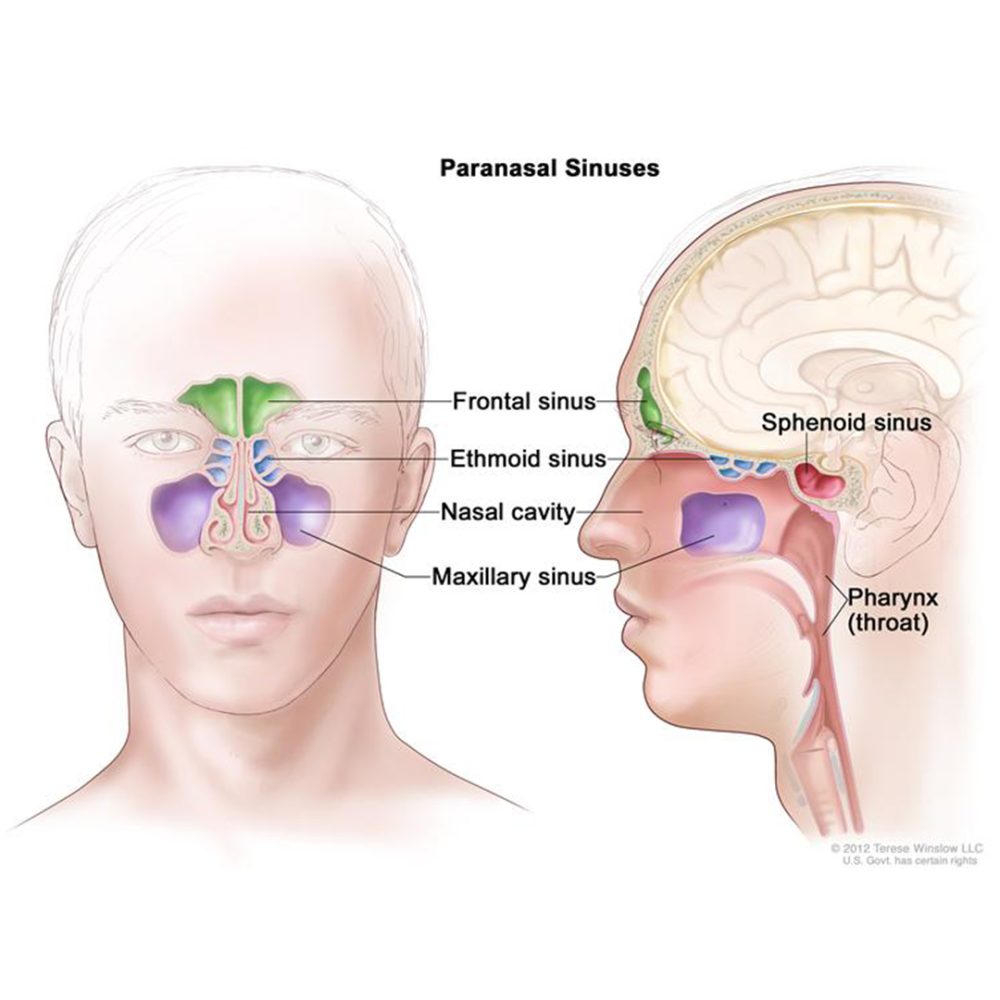
For some children, sinus infections seem to come back again and again. Despite multiple rounds of antibiotics, they continue to struggle with nasal congestion, facial pressure, headaches, and difficulty breathing through the nose.
Parents may notice that their child sleeps poorly, misses school frequently, or simply never seems to feel completely well.
When sinus infections become persistent or severe, pediatric sinus surgery may be recommended to address the underlying problem.
Endoscopic sinus surgery for children, also called Functional Endoscopic Sinus Surgery (FESS), is a minimally invasive procedure that helps restore normal sinus drainage and reduce the cycle of repeated infections.
At MPENTA, our team of pediatric ENT specialists provide expert care for children experiencing chronic or recurring sinus issues, helping families across Michigan find lasting relief from chronic sinusitis.
What Is Functional Endoscopic Sinus Surgery (FESS)?
Functional Endoscopic Sinus Surgery, commonly known as FESS, is a modern surgical procedure used to treat chronic or recurrent sinus problems.
Unlike older surgical techniques that require external incisions, FESS is performed entirely through the nose, using very small telescopes, called endoscopes, to see inside the nasal passages and sinuses. Because the procedure is done internally, there are no visible cuts or scars on the face.
During the surgery, the doctor carefully opens the natural drainage pathways of the sinuses. When these openings become blocked, mucus builds up inside the sinuses, creating an environment where infections can repeatedly develop.
By clearing these blockages and restoring proper drainage, the procedure allows the sinuses to function normally again.
Modern endoscopic sinus surgery for children has been shown to produce better outcomes than older sinus surgical techniques. The goal is not to remove large portions of tissue but to restore the natural anatomy and allow the sinuses to drain properly.
The surgery is performed under general anesthesia so the child is fully asleep and comfortable throughout.
In most cases, the operation takes less than one hour to complete.
Because it is minimally invasive, pediatric FESS is usually an outpatient procedure, meaning most children go home the same day.
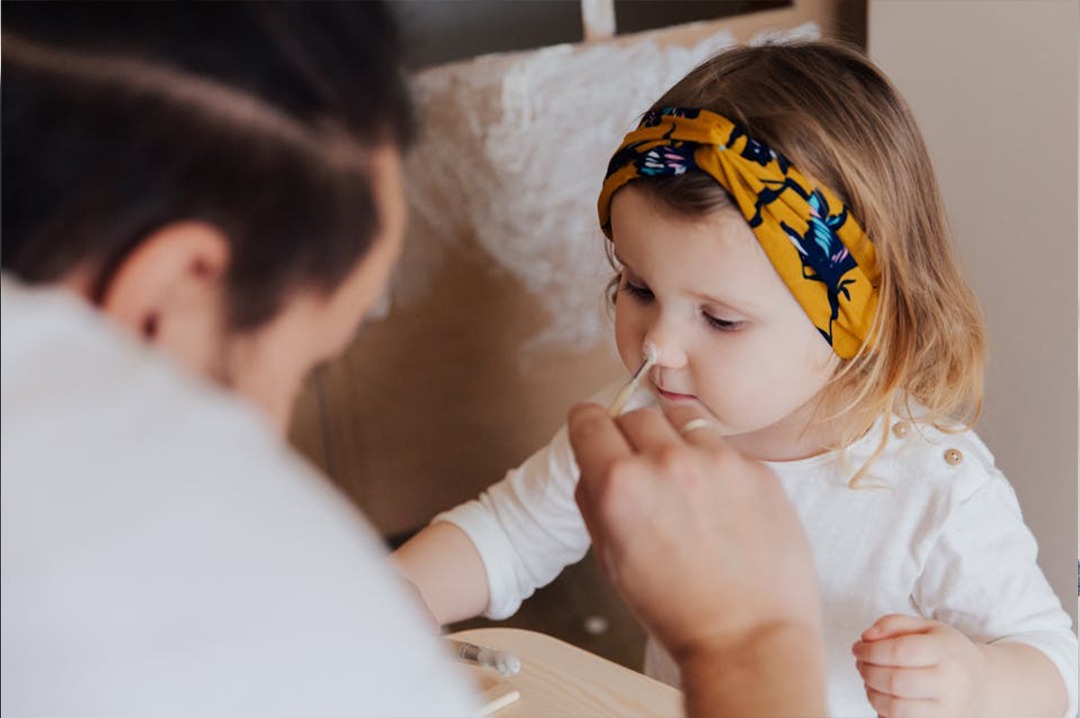
When Is Sinus Surgery Recommended for a Child?
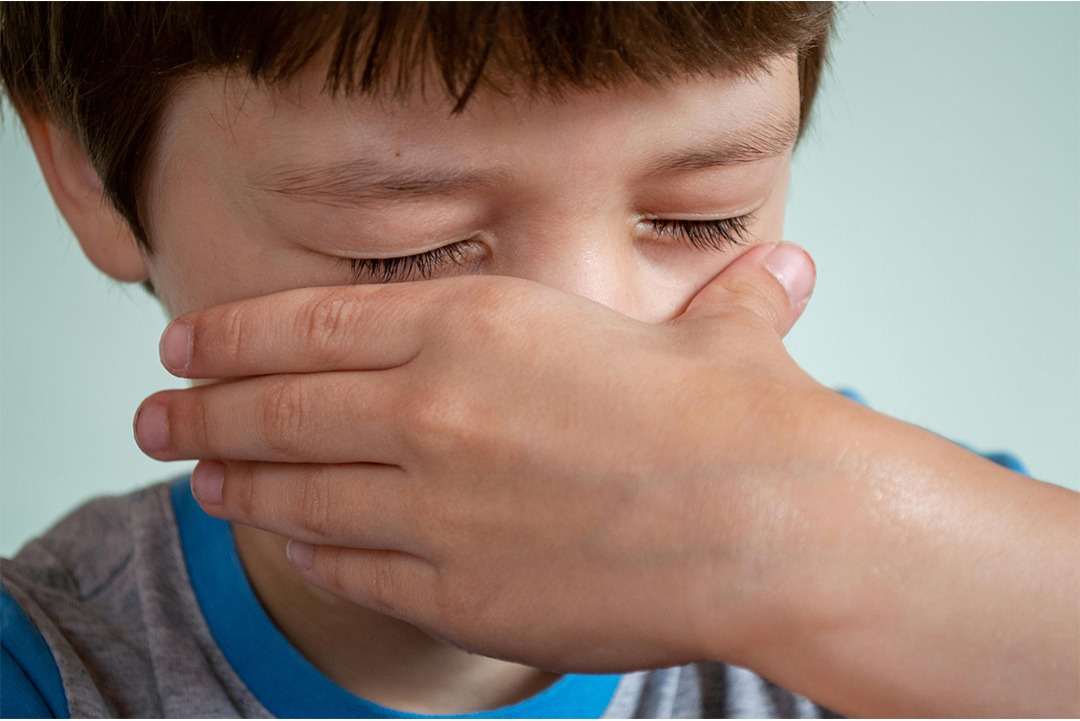
Sinus surgery is often recommended for children only after conservative treatments have been tried and failed to produce lasting relief.
Doctors may initially prescribe antibiotics, nasal sprays, and allergy treatments for children experiencing frequent sinus infections. These therapies often resolve the problem.
However, surgery may be recommended if infections continue to return despite medical treatment.
Common situations where pediatric sinusitis surgery may be considered include:
- Six or more episodes of acute sinus infections within a single year
- Chronic sinusitis that does not fully resolve with antibiotics
- Sinus symptoms that significantly affect sleep, breathing, or school performance
- Frequent headaches, facial pressure, or persistent nasal congestion
Before recommending surgery, doctors will typically order a CAT scan of the sinuses. This step helps determine the extent of sinus disease and confirms whether blocked drainage pathways are contributing to the child’s symptoms.
This scan allows our surgeons to evaluate the sinuses and determine whether or not surgery is an appropriate next step.
What to Expect: The FESS Process
We understand that families feel more comfortable about pediatric sinus surgery when they have a better understanding of what to expect.
The process begins with a detailed evaluation and imaging study. A CAT scan is usually performed while the child is on antibiotics, allowing our team to see how the sinuses respond to treatment. The scan helps us identify exactly where the blockages are located and plan the procedure accordingly.
On the day of surgery, the child is given general anesthesia administered by a pediatric anesthesiologist. This ensures the child is asleep and comfortable throughout the operation.
Once the child is asleep, the surgeon gently inserts small endoscopes through the nostril so they can see the sinus passages clearly on a magnified screen.
Using specialized tools, the surgeon carefully opens the natural sinus drainage pathways and removes blockages that prevent mucus from draining normally.
The procedure typically takes less than one hour.
Most children recover in a short observation period after surgery and are able to go home the same day.
In some cases, a brief follow-up procedure may be scheduled about two to three weeks later.
This short exam, which also takes place under anesthesia, allows the surgeon to check healing inside the sinuses and gently remove any crusting that may have formed during the healing process.
Is Pediatric Sinus Surgery Safe
Understandably, safety is one of the most common concerns parents have when considering sinus surgery for kids.
Modern FESS procedures are performed under direct visualization, meaning surgeons can see the structures inside the nose clearly during the operation. This precision significantly reduces surgical risks.
The sinuses are located close to important structures, including the eyes and the brain. While complications involving these areas are possible, they are extremely rare when the procedure is performed by experienced pediatric ENT surgeons.
At MPENTA, sinus surgery is performed by our specialists who focus exclusively on ear, nose, and throat conditions in children. Our training and experience help ensure the highest level of safety and care.
Before surgery, the medical team carefully reviews all potential risks with parents and answers any questions they may have about the procedure.
In some situations, a sinus culture may also be recommended. This is a short outpatient procedure performed under anesthesia to collect a sample of bacteria from the sinuses. When infections are caused by bacteria that resist common antibiotics, the culture helps doctors identify the most effective medication.
Results from a sinus culture are typically available within three to five days and can help guide treatment plans.
Recovery After Endoscopic Sinus Surgery
Recovery after endoscopic sinus surgery for children is usually relatively quick.
Most children begin to feel better within a few days of the procedure and many are able to return to normal daily activities fairly quickly.
During the healing period, it is normal for children to experience some nasal congestion, discharge, or mild crusting inside the nose. These symptoms gradually improve as the sinuses heal.
A follow-up appointment is often scheduled about two to three weeks after surgery so the surgeon can check the healing process and ensure the sinuses are functioning properly.
In the long term, many children experience a significant reduction in the frequency and severity of sinus infections following FESS pediatric surgery.
Improved sinus drainage often leads to better breathing, improved sleep, and fewer missed school days.
Benefits and Considerations of FESS
There are many benefits to functional endoscopic sinus surgery for children but there are some considerations parents should keep in mind, too.
Benefits:
- Because it is performed through the nose, there are no external incisions and no visible scarring.
- It is outpatient surgery, so children can return home the same day.
- Often reduces the frequency and severity of sinus infections.
- Improves breathing and overall quality of life.
Compared with older surgical techniques, FESS has been shown to produce better outcomes and faster recovery.
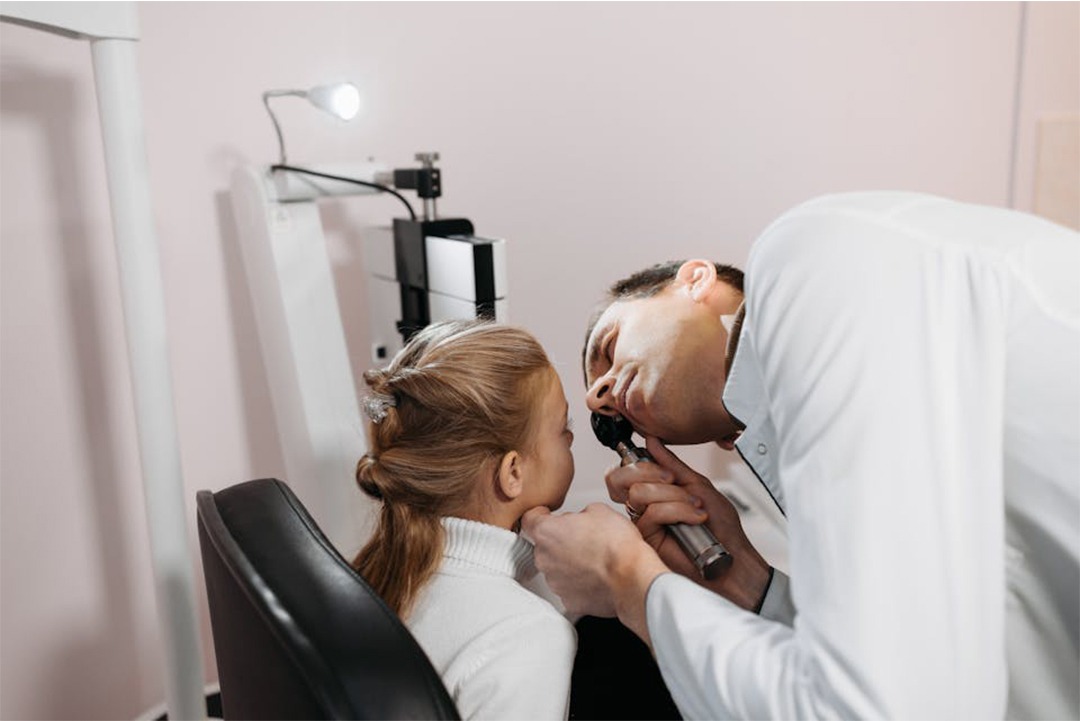

Considerations:
- Requires general anesthesia, risks are small but should be discussed beforehand.
- Some children may require a follow-up procedure under anesthesia, two to three weeks after the initial procedure to check the healing process inside the sinuses.
- Because the sinuses are located near the brain and eyes, complications are rare but possible.
It is also important to understand that surgery does not cure underlying conditions such as allergies or immune disorders that contribute to sinusitis.
Why Choose MPENTA for Your Child's Sinus Surgery?
When considering sinus surgery for kids, it is important to choose a specialist with experience in pediatric sinus conditions.
The team at MPENTA is comprised of pediatric ENT specialists who focus entirely on conditions affection children’s ears, nose, and throats. This focused expertise allows us to provide care tailored specifically to young patients.
Our team has extensive experience performing pediatric sinus surgery and managing complex sinus conditions in children.
Families also benefit from our multiple locations, making it easier to access specialized care close to home.
From the initial CAT scan evaluation through post-surgical recovery, we provide comprehensive support and guidance throughout the entire treatment process.
Ready to Explore Cochlear Implant Surgery for Your Child?
Chronic sinus infections can affect nearly every part of a child’s life, from sleep and school attendance to sports participation and overall comfort.
If your child continues to struggle with recurring sinus infections despite treatment, the pediatric ENT specialists at MPENTA can help determine whether endoscopic sinus surgery is the right option.
Our team provides expert ENT sinus surgery and compassionate care for families throughout Michigan.
To learn more about sinus surgery for kids in Michigan or to schedule an evaluation, contact MPENTA today to request an appointment or find a location near you.
Disclaimer
The information provided on this page is for educational and informational purposes only and is not intended as medical advice. It should not be used to diagnose or treat any medical condition. Always consult a qualified healthcare provider or ENT specialist regarding any questions you may have about a medical condition, symptoms, or treatment options. Decisions about surgery should be made in consultation with your healthcare team based on your specific health needs.
