
Tympanoplasty Eardrum Repair Surgery for Children
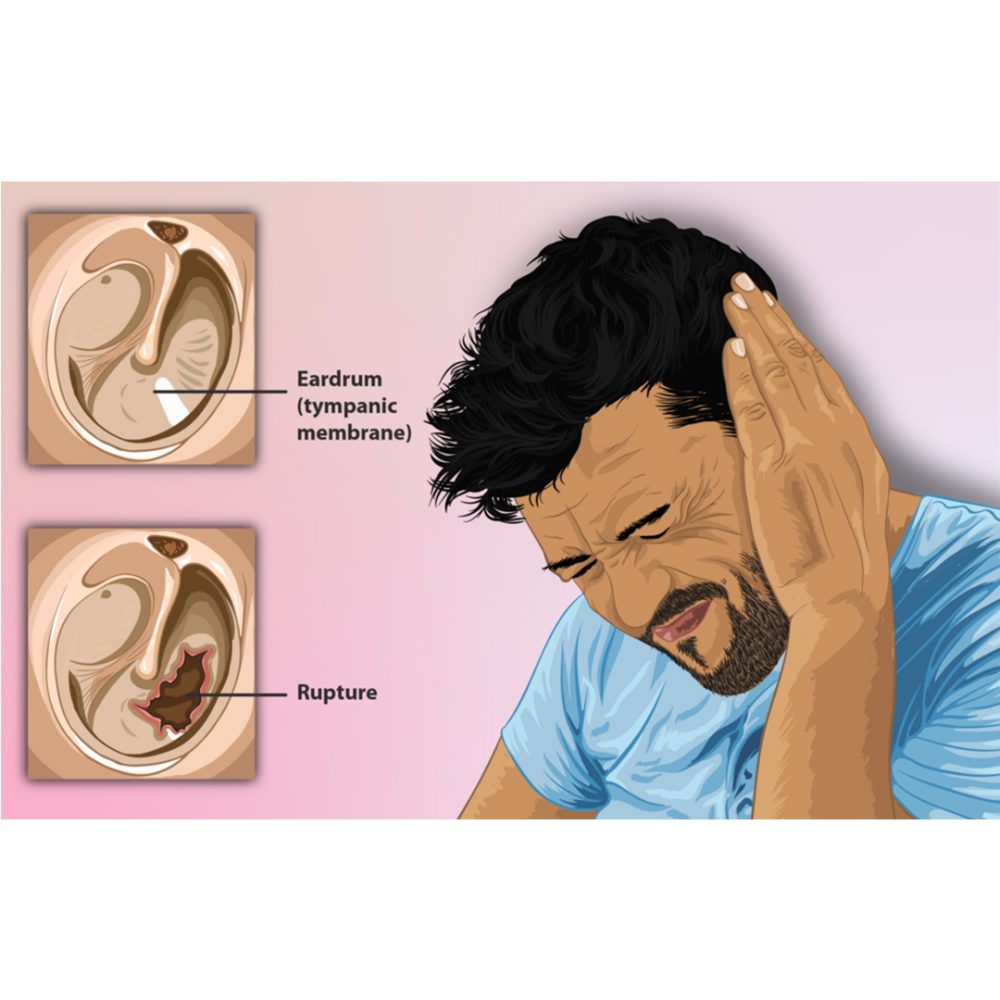
When a child has a perforated or damaged eardrum, parents often notice the effects quickly, difficulty hearing, repeated ear infections, or ongoing ear drainage. It can be worrying to see your child struggle with something that affects both their comfort and their ability to hear clearly.
Tympanoplasty surgery for children is a procedure designed to repair a damaged eardrum and restore proper hearing. By closing the hole in the eardrum and addressing any damage inside the middle ear, this surgery can significantly improve hearing and reduce the risk of future infections.
At MPENTA, pediatric ear, nose, and throat specialists have extensive experience diagnosing and treating complex ear conditions in children.
For families across Michigan, tympanoplasty provides a safe and effective solution for restoring ear health and helping children hear clearly again.
What Is Tympanoplasty?
Tympanoplasty is a surgical procedure that repairs or reconstructs the eardrum, also known as the tympanic membrane. The eardrum plays an essential role in hearing by vibrating in response to sound waves and transmitting those vibrations to the small bones inside the middle ear.
In some cases, damage to the eardrum also affects the tiny hearing bones behind it, called the ossicles. When this occurs, surgeons may perform an additional procedure called ossiculoplasty during the same operation to repair or reconstruct those bones.
Both the eardrum and the middle ear bones must function properly for normal hearing. Tympanoplasty addresses problems in either or both structures to restore the ear’s ability to transmit sound effectively.
Eardrum repair surgery is recommended for children aged four years and older, although the exact timing depends on the child’s condition and overall ear health.
For children with a simple eardrum perforation, the success rate for repair is very high between 85% and 90%. More complex cases involving bone reconstruction or other complications can still achieve excellent outcomes, although results vary depending on the extent of damage.

When Is Tympanoplasty Surgery for Children Recommended?
Parents often ask how they can tell whether their child needs eardrum repair surgery. Tympanoplasty is recommended when damage to the eardrum or middle ear affects hearing or causes ongoing ear problems.
Common reasons a pediatric tympanoplasty may be recommended include:
- A perforated (torn) eardrum with hearing loss. A hole in the eardrum can prevent sound from traveling efficiently through the ear, resulting in reduced hearing.
- A retracted or sunken eardrum (atelectasis). In some cases, pressure problems in the middle ear cause the eardrum to collapse inward, which can lead to hearing issues or long-term damage.
- Damage from injury or chronic ear infections. Repeated ear infections (otitis media) can weaken or rupture the eardrum over time. Trauma or injury can also create a tear that does not heal on its own.
- Congenital ear abnormalities. Some children are born with structural differences affecting the eardrum or middle ear bones.
- Cholesteatoma is an abnormal growth of skin cells inside the middle ear that can gradually destroy surrounding bone and tissue if left untreated.
Often, tympanoplasty is considered an elective procedure that can be scheduled at a time that works best for the family. However, when conditions like cholesteatoma or persistent infection are present, surgery may be recommended more urgently to prevent further damage.
For some children, alternatives such as hearing aids may help manage hearing loss. Until surgery is performed, earplugs are often recommended to protect the ear from water and infection.
How to Prepare for Tympanoplasty Surgery
Preparing for your child’s surgery helps ensure the best possible outcome. Your child’s ENT specialist will guide your family through several important steps before the procedure.
First, other ear, nose, or throat conditions may need to be addressed. For example, enlarged adenoids or chronic sinus issues are often treated before tympanoplasty is scheduled, as these problems can affect pressure in the middle ear.
Your child should not have an active ear infection at the time of surgery. Infection can make reconstruction significantly more difficult and may reduce the success of the graft.
If the surgeon prescribes medications prior to surgery, it is important to complete them exactly as directed.
A hearing test will also be performed before the procedure. This test measures the degree of hearing loss and provides a baseline that doctors can use later to evaluate improvement after surgery.
Finally, the surgeon will carefully examine the eardrum using a surgical microscope to assess the size and location of the perforation and to plan the best surgical approach.
What to Expect: The Tympanoplasty Procedure
Understanding what happens during surgery can help parents feel more comfortable about the process.
Tympanoplasty takes place under general anesthesia, meaning your child will be fully asleep throughout the procedure and will not feel any pain.
During the surgery, the surgeon makes a small incision behind the ear. The ear is gently moved forward to allow clear access to the eardrum and middle ear structures.
Next, the eardrum is carefully lifted so the surgeon can examine the middle ear space. Any damaged tissue or abnormal growths are removed to prepare the area for repair.
To close the perforation, the surgeon takes a small piece of tissue from the muscle behind the ear. This tissue, called fascia, is used as a graft to patch the hole in the eardrum.
The graft acts as a scaffold, allowing the child’s own eardrum tissue to grow across the repaired area over time. As healing progresses, the graft becomes part of the eardrum itself.
If necessary, the surgeon may also repair the small hearing bones or remove a cholesteatoma during the same operation.
Most children stay overnight in the hospital after tympanoplasty for monitoring. The medical team usually removes the bandage placed over the ear the following morning before discharge.
In some older children or simpler cases, same-day discharge may be possible.
Recovery After Tympanoplasty
After surgery, your child will return home to begin the healing process. Recovery is typically smooth, but careful attention to post-operative instructions is essential.
Your doctor may prescribe eardrops to help protect the ear and support healing.
Activity restrictions are an important part of recovery. Parents play a key role in making sure children avoid activities that could disrupt the graft while it heals. Your surgeon will explain exactly what activities should be limited during this time.
Following these instructions significantly improves the likelihood that the graft will heal successfully.
Follow-up appointments are also essential. During these visits, your child’s doctor will examine the eardrum, monitor healing, and check hearing progress. Missing these appointments can make it harder to detect or address potential issues early.
Hearing improvement may not happen immediately. As the graft heals and the ear adjusts, hearing typically improves gradually.
Risks and Complications of Tympanoplasty Surgery for Children
Tympanoplasty is considered a safe and well-established procedure, but like all surgeries, it carries some risks.
One possible concern is hearing loss. Although the goal of eardrum repair surgery is to restore hearing, some children may continue to experience mild hearing loss after the procedure, especially when middle ear bone reconstruction is required.
In most cases, surgery is considered successful if hearing is restored to within 10 to 15 decibels of normal.
The facial nerve runs close to the surgical area. Injury to this nerve is uncommon but could cause temporary weakness of facial muscles or changes in taste sensation on one side of the tongue.
Some children may experience dizziness following surgery, particularly when additional procedures such as mastoidectomy are performed to treat cholesteatoma.
Very rarely, the graft used to repair the eardrum does not survive long enough for full healing. If this occurs, a second procedure may be recommended. Re-operation success rates remain high.
Standard surgical risks such as infection and bleeding are also possible, though they are uncommon.
Before surgery, your child’s surgeon will discuss the specific risks associated with your child’s individual condition and answer any questions you may have.
Tympanoplasty Success Rates: What Parents Should Know
One of the most common questions parents ask is whether their child’s hearing will return after surgery.
For children who need only eardrum repair, success rates are excellent. Studies show successful surgery in approximately 85–90% of cases.
More complex cases, such as those involving ossiculoplasty or cholesteatoma, can still produce strong results, though outcomes depend on the severity of the damage inside the ear.
If hearing is not fully restored after the first operation, a second surgery may be recommended. Follow-up procedures often achieve excellent outcomes as well.
Ongoing follow-up care with MPENTA’s team is essential to ensure the best possible hearing results and long-term ear health.
Why Choose MPENTA for Your Child's Ear Surgery?
Choosing the right surgical team makes a significant difference in your child’s experience and outcomes.
MPENTA’s physicians are pediatric ENT specialists who focus exclusively on conditions affecting children’s ears, noses, and throats. This specialized expertise allows them to provide care that is tailored specifically to young patients.
The team has extensive experience performing the full range of ear surgeries, from straightforward perforated eardrum repair to complex procedures involving ossiculoplasty or cholesteatoma removal.
MPENTA also provides comprehensive care before and after surgery, including advanced hearing testing and close follow-up to monitor recovery.
With multiple locations throughout Michigan, families have convenient access to expert pediatric ENT care when they need it most.
Ready to Talk About Eardrum Repair for Your Child?
If your child has hearing loss, recurring ear infections, or a perforated eardrum, the specialists at MPENTA are here to help. Our team will carefully evaluate your child’s condition and explain whether pediatric tympanoplasty is the right solution.
From diagnosis through recovery, we work closely with families to ensure every step of the process feels clear and supported.
If you’re looking for expert care for perforated eardrum repair in Michigan or want to speak with a pediatric tympanoplasty specialist, contact MPENTA today to request an appointment or find a location near you.
Disclaimer
The information provided on this page is for educational and informational purposes only and is not intended as medical advice. It should not be used to diagnose or treat any medical condition. Always consult a qualified healthcare provider or ENT specialist regarding any questions you may have about a medical condition, symptoms, or treatment options. Decisions about surgery should be made in consultation with your healthcare team based on your specific health needs.
