
Cochlear Implant Surgery for Children
For families navigating severe to profound hearing loss in a child, pediatric cochlear implant surgery can be life-changing.
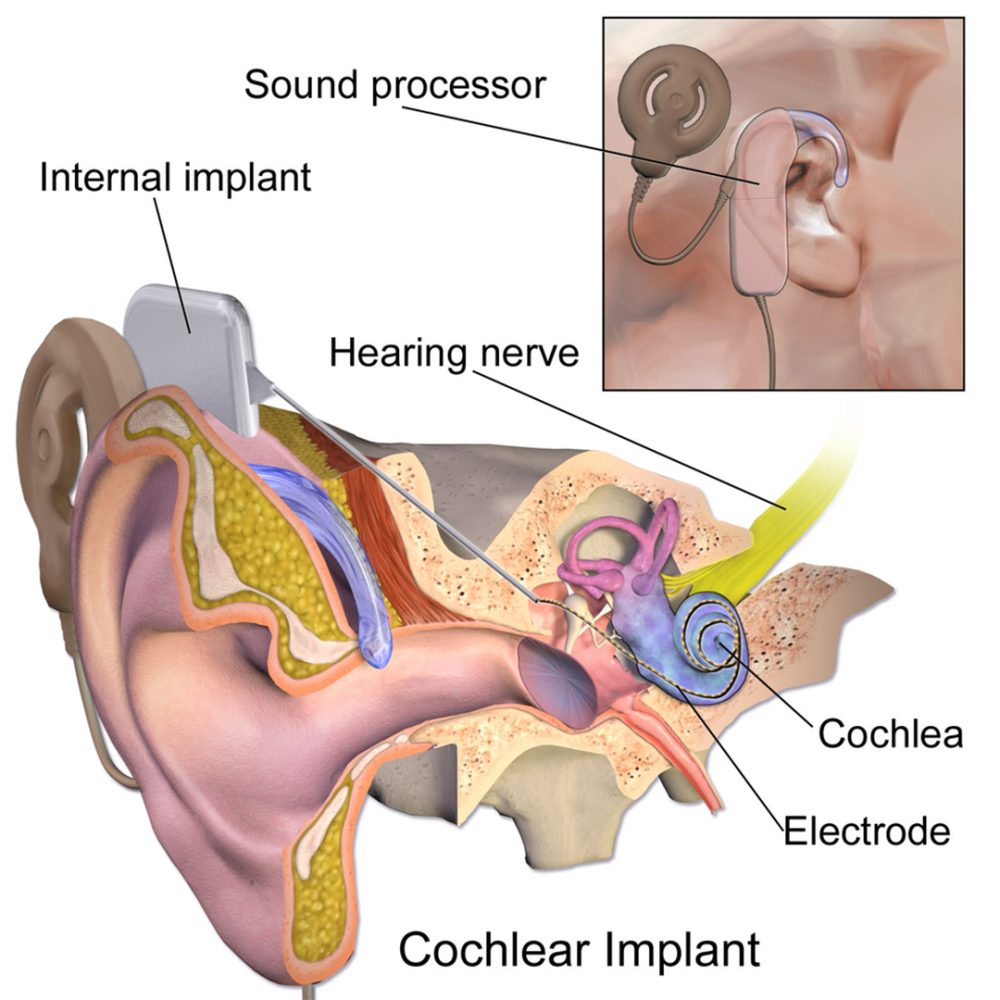
Unlike traditional hearing aids, which amplify sound, a cochlear implant works differently: it bypasses damaged parts of the ear and sends signals directly to the hearing nerve.
This can help children access sounds that are otherwise inaudible, giving them the opportunity to develop speech, language, and communication skills alongside their peers.
At MPENTA, our team of pediatric ENT specialists, audiologists, and speech-language pathologists provides comprehensive care for families considering cochlear implant surgery for children across Michigan.
We combine surgical expertise with family-centered support, guiding parents and children through each step of the process, from evaluation to long-term therapy.
Our goal is not only to provide a safe and effective cochlear implant procedure but to ensure families feel informed, supported, and confident throughout the journey.
What Is a Cochlear Implant?
A cochlear implant is a small, sophisticated electronic device designed to provide children with meaningful access to sound when hearing aids alone are not enough.
It has two main components:
- Internal components: The implant itself is placed under the skin behind the ear, and a thin array of electrodes is carefully inserted into the cochlea, the spiral-shaped organ in the inner ear that processes sound. The implant converts sound into electrical signals that stimulate the hearing nerve directly.
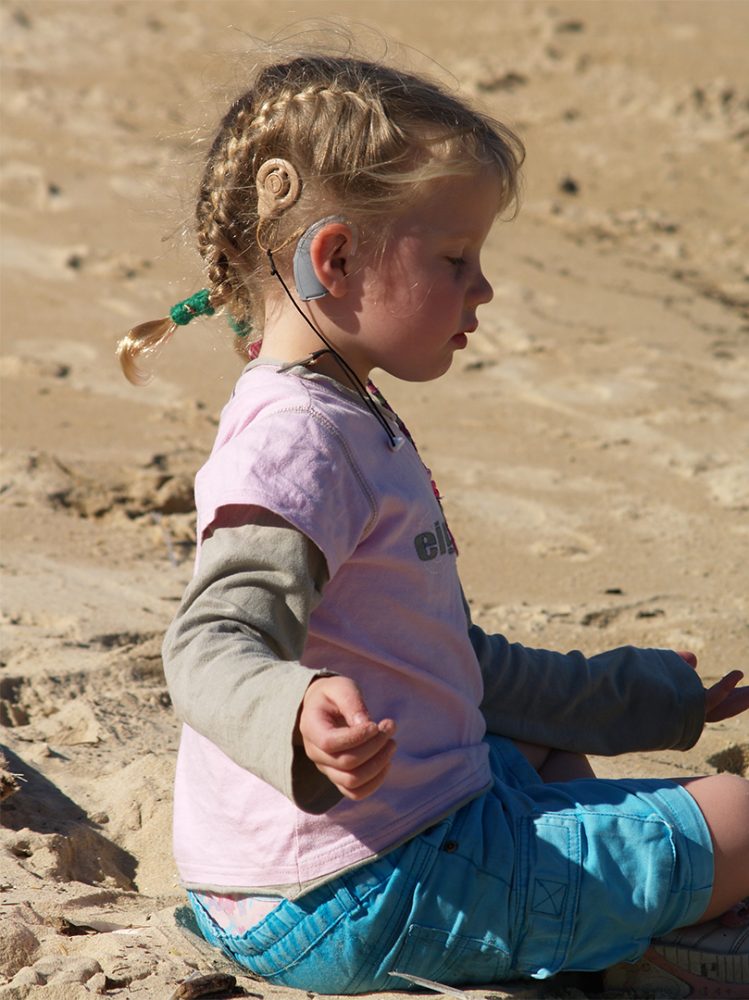
- External components: The speech processor, worn behind the ear or on the head, captures sound from the environment. A microphone, processor, and transmitter work together to send signals to the internal implant.
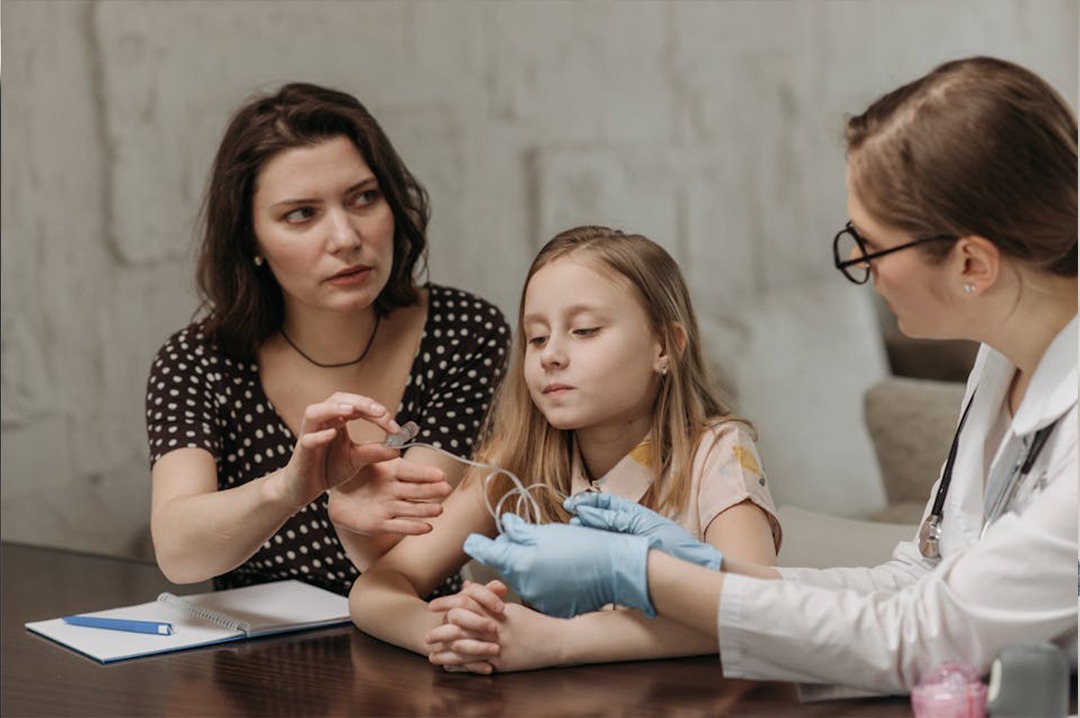
It’s important for parents to understand that a cochlear implant for kids does not restore normal hearing. Instead, it provides access to sound in a way that allows the brain to interpret speech and environmental noises.
While hearing aids amplify sound for damaged hair cells in the cochlea, cochlear implants bypass these cells entirely.
For many children with severe hearing loss, this technology makes the difference between limited awareness of sound and the ability to develop speech, language, and social communication skills.
Cochlear implants have evolved significantly over the years, and modern devices are small, discreet, and reliable. Children can safely participate in normal daily activities, and the external processor can be removed for sleeping, swimming (with a waterproof accessory), or contact sports.
Who Is a Candidate for Cochlear Implant Surgery?
Not every child with hearing loss is automatically a candidate for a pediatric cochlear implant. Our cochlear implant specialists will carefully evaluate each child on an individual basis to ensure that surgery is both safe and likely to provide meaningful benefit.
Criteria include:
-
Age of Implantation
- As young as 7 months for bilateral profound Sensorineural Hearing Loss (SNHL) for some devices like MED-EL
- Generally approved from 9-12 months onward for most manufactures, with earlier implantation linked to better language outcomes.
-
Degree of Hearing Loss
- Profound SNHL: for infants and young children (7-24 months) typically unaided Pure-Tone average (PTA) greater than or equal to 90 dB HL at 500, 1000, 2000 Hz.
- Severe to Profound SNHL: unaided PTA greater than 70–80 dB HL, often greater than 65–85 dB HL depending on age and guidelines.
- Expanded criteria: For children around 12–71 months, moderately severe to profound hearing loss in low frequencies with a PTA greater than or equal to 55 dB HL at 500/1000/2000 Hz plus severe to profound hearing loss at a threshold equal to or greater than 70 dB HL at higher frequencies. For children 6 years or older, moderate to profound hearing loss with a Low-Frequency Pure-Tone Average (LFPTA) greater than 40 dB HL low frequencies and thresholds of greater than or equal to 65 dB HL high frequencies.
-
Limited Benefits from Hearing Aids
- Insufficient progress or benefit with binaural amplification (hearing aids) and aural habilitation.
- Poor functional access to sound, demonstrated by limited aided speech recognition or the lack of month-for-month progress in auditory, speech, and language skills.
-
Speech Recognition/Performance Scores (Age Appropriate Tests)
- Aided word recognition scores less than or equal to 30%-50% with the American Cochlear Implant Alliance (ACIA) recommending referral if the score is below 50%
- Persistent gap or lack of expected progress in auditory and language development despite optimal amplification.
-
Referral Indicators (ACIA Guidelines for Evaluation)
- Unaided pure-tone thresholds greater than 70 dB HL (or greater than 60 dB HL in some contexts).
- Appropriately selected aided word recognition scores with less than 50% correct.
- Poor functional performance, limited language and auditory progress, or reduced quality of life with hearing aids.
-
Additional Considerations
- No strict minimum hearing aid trial duration if evidence indicates inadequate benefits, especially in infants.
- Medical and surgical clearance: no contraindications (like active infection or certain anatomical issues) and a realistic family commitment to rehabilitation.
- Expanding inclusion: Children with asymmetric hearing loss or single-sided deafness may qualify from age 5 and up, or as young as 9 months, in select cases.
- Multidisciplinary team evaluation (audiology, otolaryngology, speech-language pathology) focusing on the whole child and family.
At MPENTA, our team takes time to answer parents’ questions, discuss expectations, and create a personalized plan for each child.
We also provide guidance on what the family can do at home before and after surgery to maximize the implant’s benefits. This careful evaluation sets the foundation for a safe, effective, and positive experience.
How Hearing Works — And Why Cochlear Implants Help

Understanding how a cochlear implant works starts with a basic overview of normal hearing.
Sound travels through the ear in several steps:
- Outer ear collects sound waves, funneling them toward the eardrum.
- Eardrum vibrations transfer energy to the middle ear bones (ossicles), which amplify the sound.
- Cochlea, a fluid-filled spiral in the inner ear, converts these vibrations into electrical signals via tiny hair cells.
Hearing nerve carries these electrical signals to the brain, which interprets them as recognizable sounds.
In children with severe hearing loss, the cochlea’s hair cells may be damaged or nonfunctional. When these cells cannot respond to sound, even the loudest hearing aids may not provide sufficient auditory input.
A cochlear implant bypasses the damaged hair cells and sends electrical signals directly to the hearing nerve, enabling the brain to perceive sound patterns.
The brain then learns to interpret these signals as speech and environmental sounds, especially when combined with early therapy and consistent listening practice.
Parents should know that every child’s experience with a cochlear implant is unique, and outcomes depend on factors like age at implantation, previous hearing experience, and family involvement in therapy.
What to Expect: The Cochlear Implant Procedure Process
Understandably, many parents wonder what cochlear implant surgery for children looks like and what it will feel like for their child.
Here’s a detailed, step-by-step overview:
- Pre-operative evaluation: Your child meets with a team of cochlear implant specialists, including the surgeon, audiologist, speech-language pathologist, and social worker. We review hearing tests, imaging, and medical history to plan the surgery. This gives parents the opportunity to ask questions, discuss concerns, and prepare their child emotionally.
- Anesthesia: A pediatric anesthesiologist ensures your child is comfortable and safe under general anesthesia. Safety protocols are rigorous, and the team monitors vital signs closely throughout the cochlear implant procedure.
- Surgery: The surgeon places the internal implant under the skin behind the ear and carefully inserts electrodes into the cochlea. The procedure is precise, minimally invasive, and tailored to your child’s anatomy.
- Duration: The surgery itself typically lasts 2–4 hours, with total time in the hospital around 6 hours, including recovery and observation.
- Hospital stay: Most children stay one night for monitoring and comfort. MPENTA staff provide guidance on pain management, activity restrictions, and wound care.
- Healing: Dissolving stitches eliminate the need for removal. Swelling and tenderness behind the ear are normal for the first few days and gradually resolve.
By walking families through each stage, we aim to reduce anxiety and create confidence in the process. Parents can feel reassured knowing that our team’s expertise ensures a safe, controlled, and supportive environment.
Recovery After Cochlear Implant Surgery for Children
Recovery at home is generally smooth, though every child’s response is different. On the day of discharge, your child may feel tired, groggy, or a little irritable, and this is normal.
Gradually, normal activities can resume, and your child will typically return to school and play as cleared by the surgeon.
Follow-up care begins about one week after surgery, when the surgeon examines the surgical site to ensure proper healing. Most children experience minimal discomfort by this time.
Activation of the implant occurs several weeks after surgery. This is the start of the hearing journey as children begin to perceive environmental sounds, voices, and speech patterns for the first time.
Parents often describe the experience as emotional and transformative, marking the beginning of a new chapter in communication development.
Ongoing support includes:
- Audiologist programming sessions to fine-tune the implant for optimal sound
- Regular speech-language therapy to develop listening and speaking skills
- Family-guided listening practice at home, which is critical for progress
Commitment to therapy, consistency in wearing the device, and parental involvement are the most important factors in a child’s long-term success.
Benefits and Considerations of Cochlear Implant Surgery
Choosing cochlear implant surgery for children is a major decision, and understanding both the benefits and considerations can help families feel prepared.
Benefits:
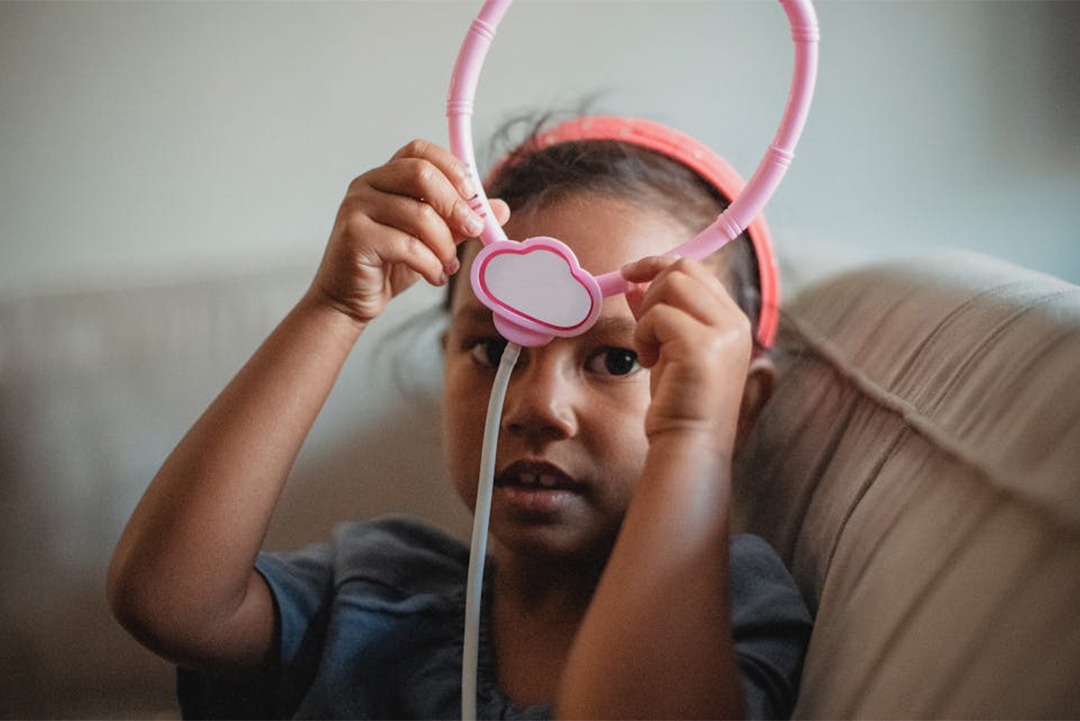
- Provides meaningful access to sound for children with profound hearing loss
- Early implantation (under age 3) supports better speech and language development
- Enhances communication skills, social interaction, and school readiness
MPENTA’s multidisciplinary team provides comprehensive support, from pre-surgical counseling to long-term therapy
Considerations:
- Cochlear implants do not restore normal hearing; they provide a new way to perceive sound
- Requires a long-term commitment to audiology appointments, speech therapy, and device care
- General anesthesia is required, though risks are rare and carefully managed
Parents can weigh these factors with guidance from our cochlear implant specialists to make informed decisions tailored to their child’s needs and lifestyle.

MPENTA's Cochlear Implant Team
At MPENTA, our cochlear implant program is truly multidisciplinary, offering specialized care that goes beyond standard ENT services.
Your child will work with a team that includes:
- A cochlear implant surgeon experienced in pediatric procedures
- An audiologist who programs and monitors the device for optimal hearing
- A speech-language pathologist who provides individualized therapy to develop listening and language skills
- A child development specialist who ensures therapy aligns with developmental milestones
- A social worker who offers resources, counseling, and emotional support for families
This collaborative approach ensures children receive expert care at every stage, from evaluation and surgery to activation, therapy, and follow-up.
MPENTA families benefit from coordinated care that addresses medical, developmental, and emotional needs, setting the stage for the best possible outcomes.
Ready to Explore Cochlear Implant Surgery for Your Child?
Cochlear implant surgery can open a world of sound for children with severe to profound hearing loss. MPENTA is proud to be a trusted destination for pediatric cochlear implants in Michigan, combining advanced surgical expertise with compassionate, family-centered support.
If you believe your child may benefit from a cochlear implant, request an appointment or find a MPENTA location near you.
Our team is here to answer questions, guide your family through the process, and help your child begin their journey toward hearing and communication success.
By choosing MPENTA, you’re giving your child access to a program that prioritizes safe, personalized care and lifelong support for children with hearing challenges.
Disclaimer
The information provided on this page is for educational and informational purposes only and is not intended as medical advice. It should not be used to diagnose or treat any medical condition. Always consult a qualified healthcare provider or ENT specialist regarding any questions you may have about a medical condition, symptoms, or treatment options. Decisions about surgery should be made in consultation with your healthcare team based on your specific health needs.
